ZTE Wantong Enterprise APs · Wi-Fi 4 to Wi-Fi 7
PoE-powered enterprise access points from Wi-Fi 4 to Wi-Fi 7 — 86-box wall-plate panels for rooms, ceiling APs for offices and high-density halls, and pole-mount outdoor APs up to 100 m coverage radius, all managed centrally from a ZTE Wantong AC. We deliver them configured as part of the network solutions we build.
Lead time · In stock: at your forwarder’s China warehouse 3 days after payment · Not in stock: 7–15 working days · Then air 5–10 days / sea 25–45 days to your port
Terms · Sample orders welcome · Quotation / PI fixes models, prices, Incoterms (EXW or FOB, each quoted separately), lead time and T/T payment · Defective units: free spare units agreed per order (quantity depends on order size) and written into the quotation · Warranty: up to 5 years on Zhongxin Shutong industrial switches, manufacturer warranty on other brands · Full terms, warranty & RMA
Need the PDF datasheet? Get it on WhatsApp →Sample quantities are welcome — testing one or two units first is the normal way to start.
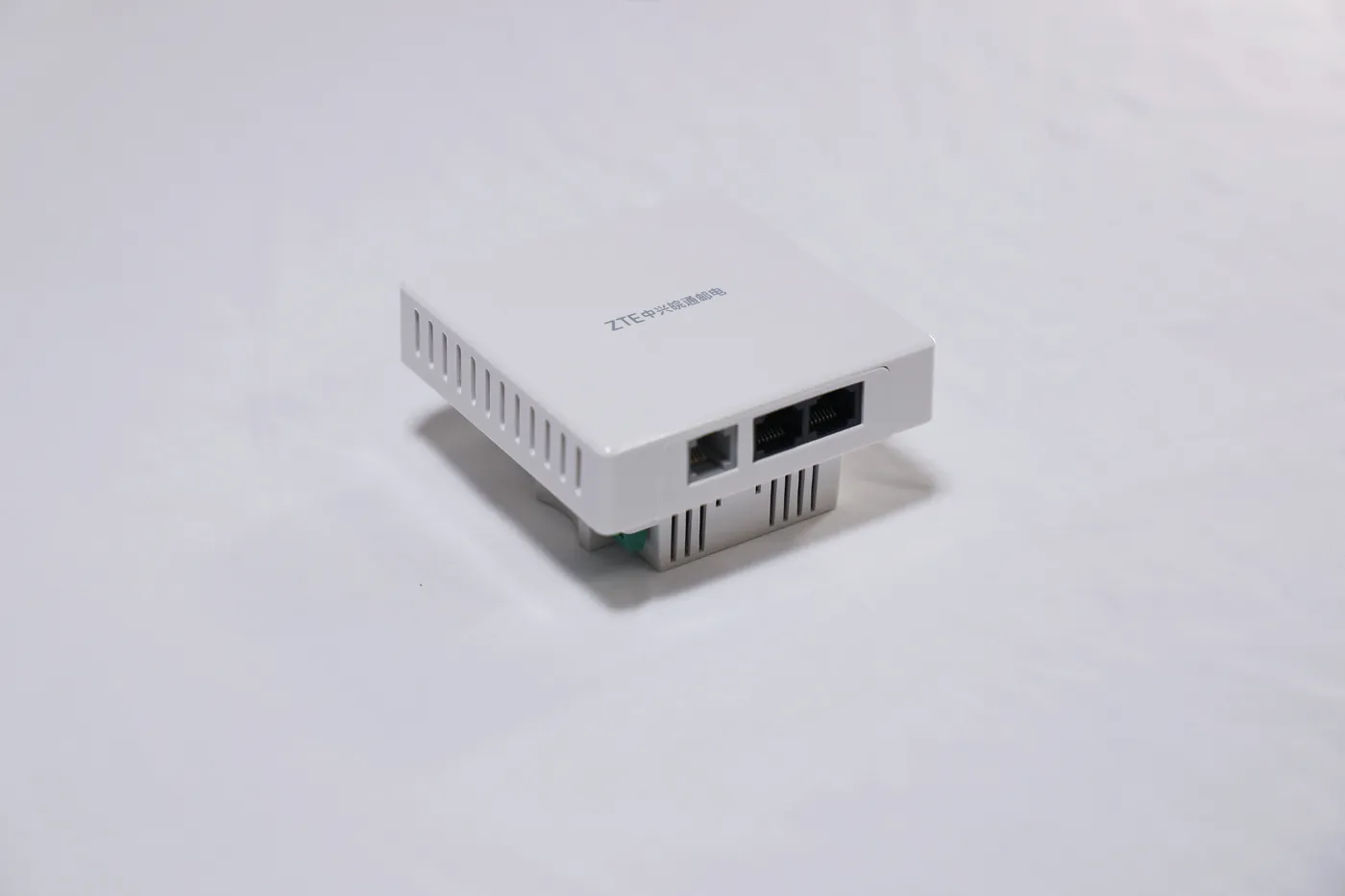
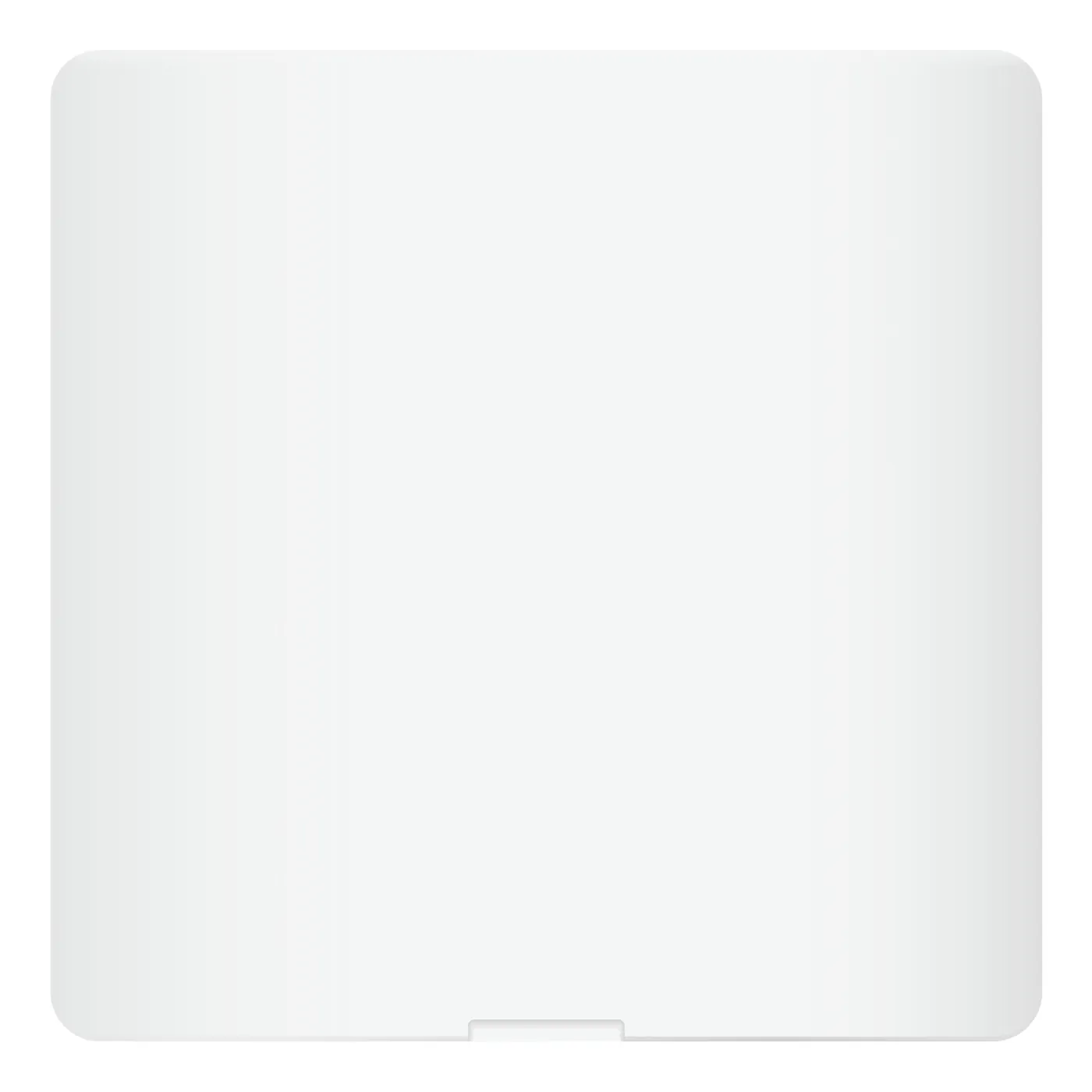
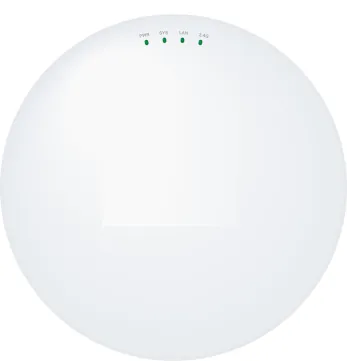
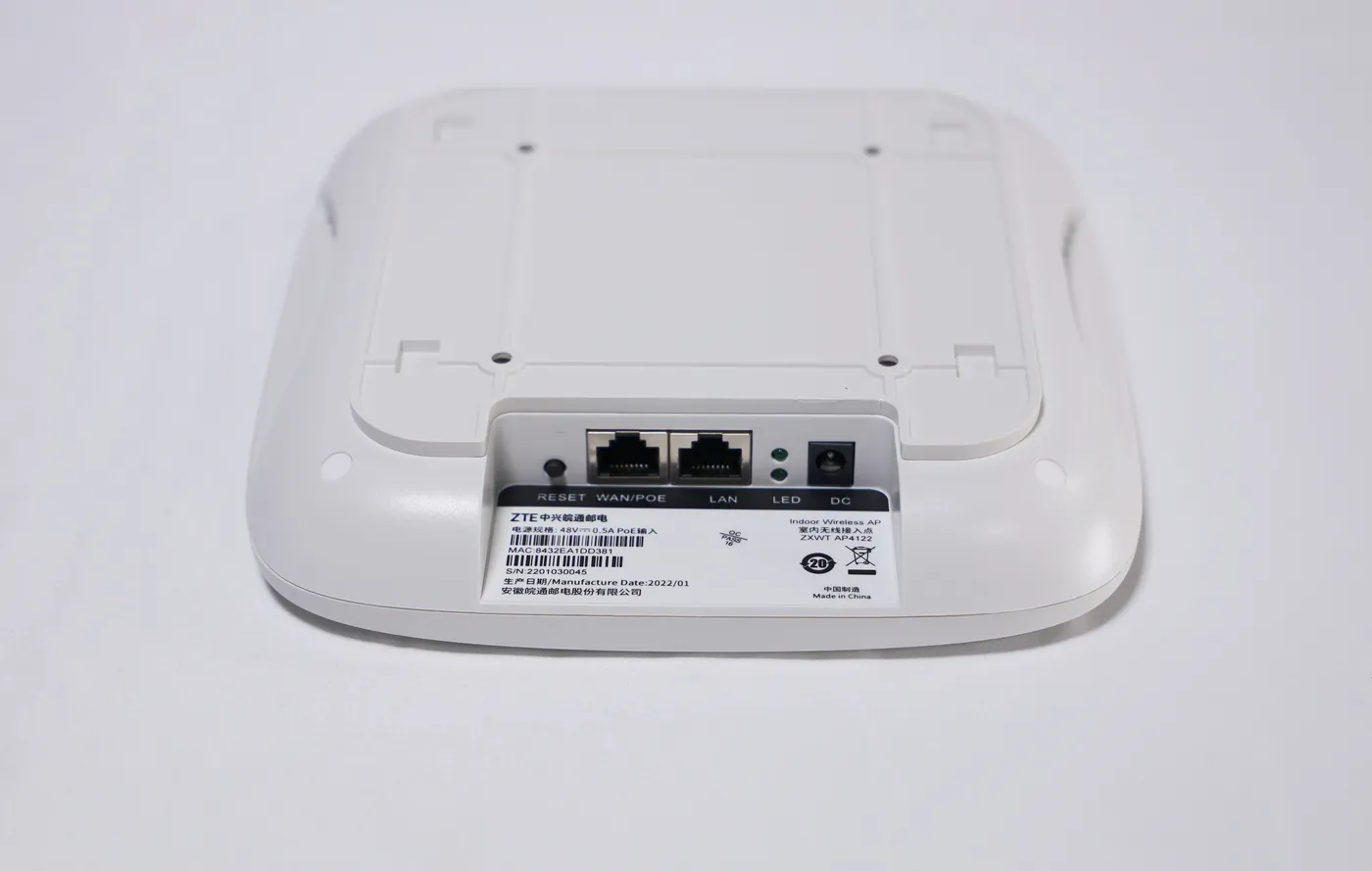
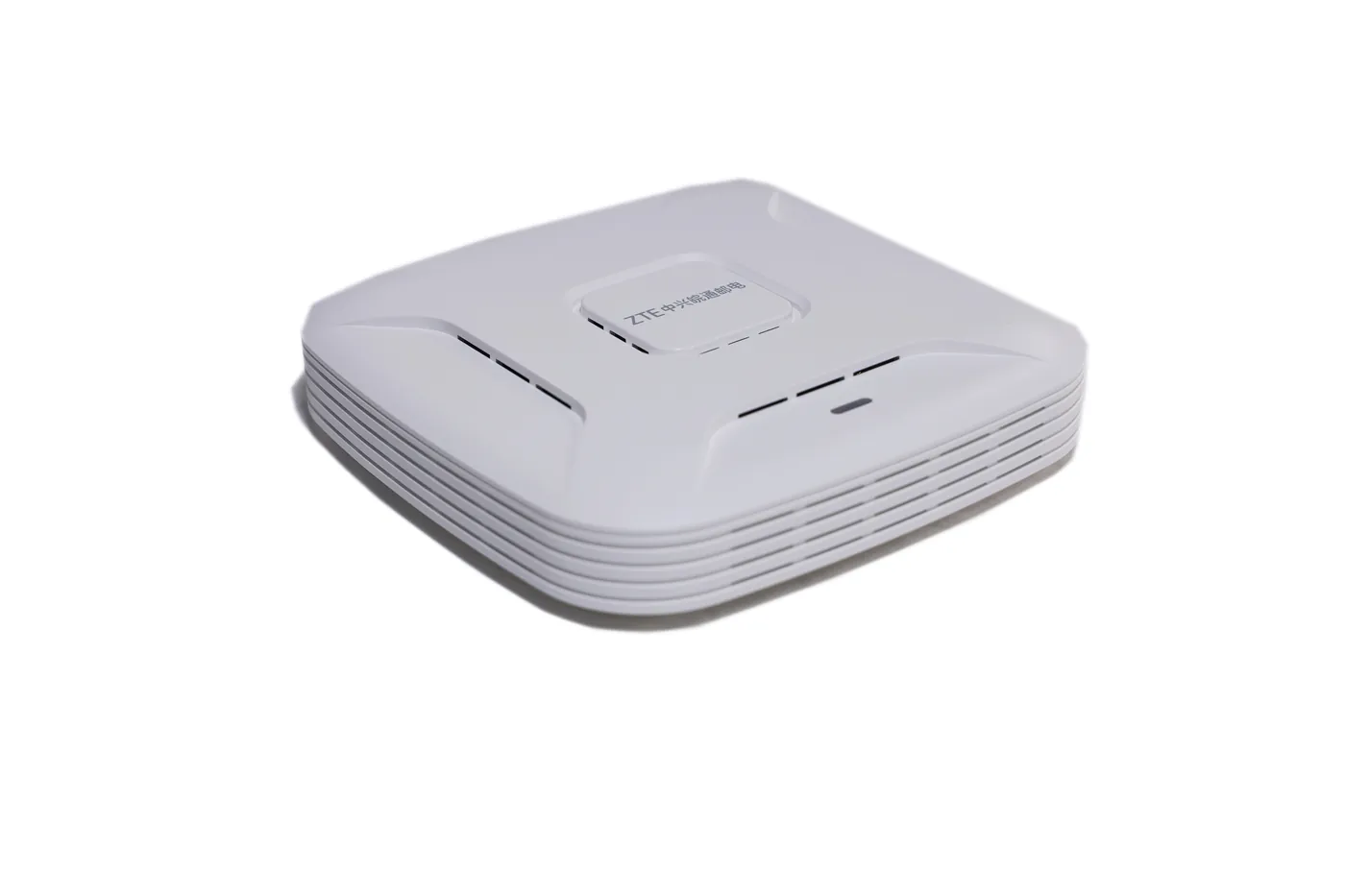
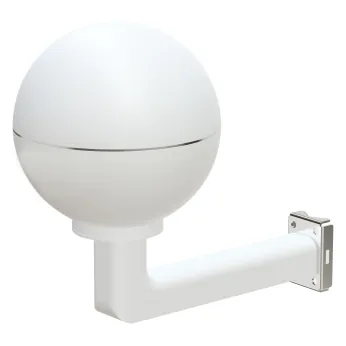
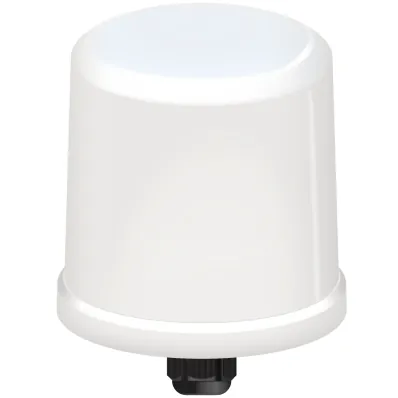
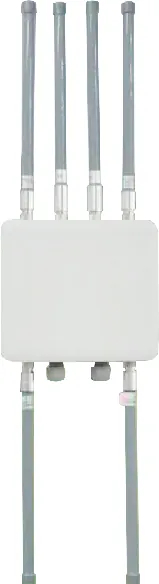
The ZTE Wantong enterprise Wi-Fi range covers ten PoE-powered access points for controller-based wireless networks. Two 86-box wall-plate panels (AP2122 Wi-Fi 5 Wave 2, AP2824 Wi-Fi 6) put an AP and two gigabit RJ45 ports in each hotel room, dormitory or classroom. Five ceiling APs run from the 2.4 GHz AP3022 at 300 Mbps to the tri-band Wi-Fi 7 AP5826 at 5011 Mbps with a 2.5GE port and up to 150 recommended clients. Three outdoor pole-mount APs cover squares, campuses and parking areas with coverage radii of 80 to 100 m; the AP6824 is IP67-rated and the AP6826 adds a 2.5G SFP port and -40°C to 65°C operation. Six models work in Fit mode under an AC; four switch between Fat and Fit. All values below come from the manufacturer's product sheets.
Four form factors, one controller-managed WLAN
How the ten APs split by mounting and Wi-Fi generation — so you place the right one in each space.
Is this the right AP range for you?
Plain-language guide — based only on what these access points actually do.
- A controller to manage and monitor these Fit APs — that's the ZTE Wantong ISG AC controller series (AC881/882/885/887/998)
- A small shop or home-office kit with distribution APs and an all-in-one wireless gateway — see the ZTE Wantong SMB Wi-Fi AP & RAC series
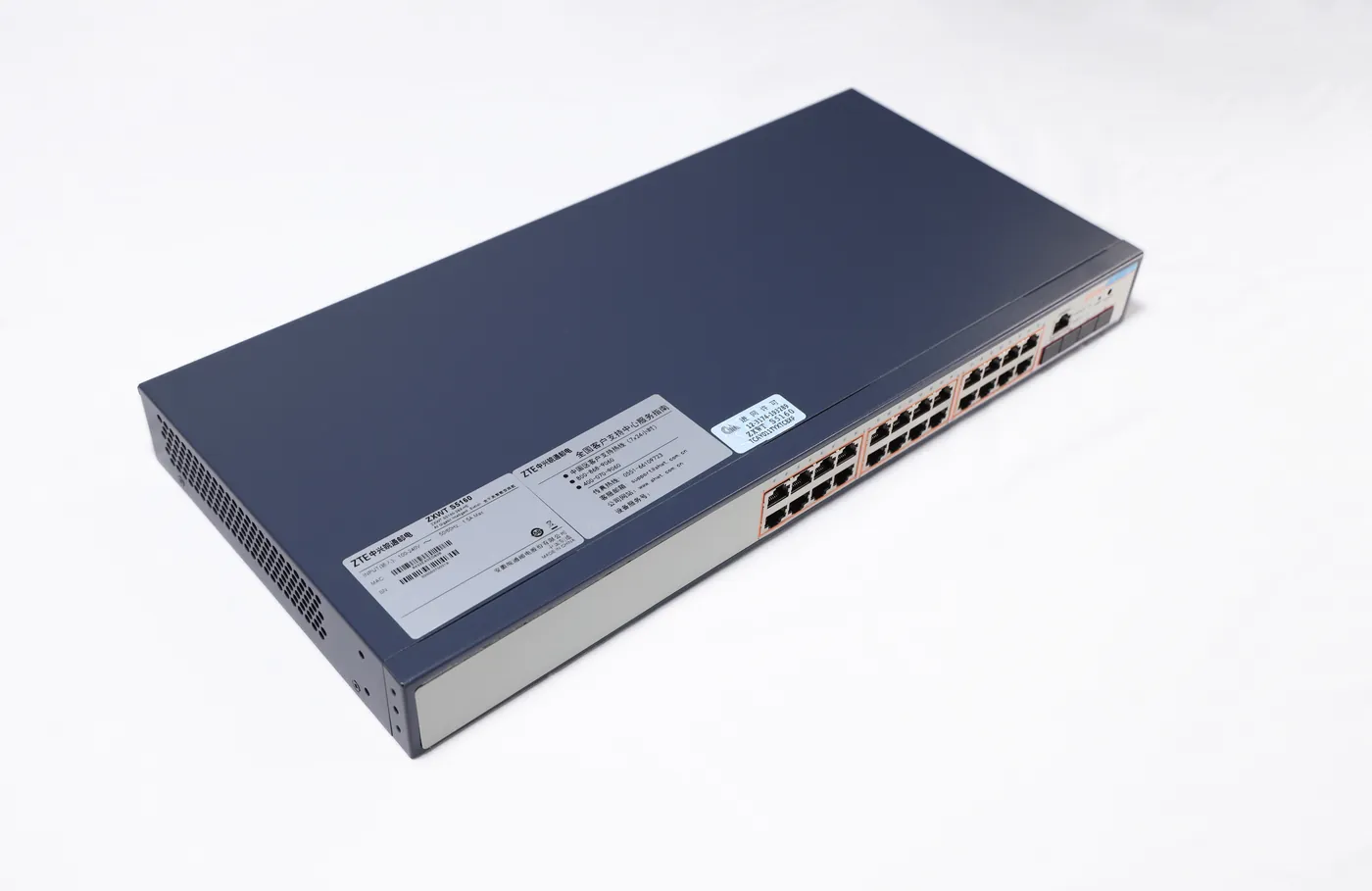
- The PoE switch that powers and uplinks the APs — the ZTE Wantong S5160-HE series has 24/48 GE ports, a 370 W PoE+ option and 10GE SFP+ uplinks
Worried about the source? Order under your own company name.
For corporate buyers: we support submitting the purchase order to the manufacturer under your company's real name — your company appears on the official order, so the origin of the goods can be verified directly with the factory. Just provide your company name and pay by corporate bank transfer.
Using your own freight forwarder? No problem.
For small and mid-size orders, we deliver directly to your designated forwarder's warehouse in China — EXW or FOB, your choice, each quoted separately. From hand-over onward, international shipping and destination-side arrangements are handled by your forwarder — the way you already work.
Key Features
The series capability list — from the manufacturer's datasheet.
Who uses them, where they go and how to plan the WLAN
Written for the ZTE Wantong enterprise AP range from its own specifications: 10 PoE-powered APs from Wi-Fi 4 to Wi-Fi 7, 300 to 5011 Mbps, 15+ to 150 recommended clients, 10 m indoor to 100 m outdoor coverage radius.
Who it is for
- Hotels, apartments and dormitories — One AP2122 or AP2824 panel per room in the existing 86 wall box, fed by one PoE cable, with a spare gigabit port on the front for the TV or a desk PC.
- Schools and university campuses — Ceiling APs in classrooms (AP5824 with 120+ clients, AP5826 up to 150), panels in dormitories and outdoor AP6824/AP6826 on poles for squares and sports grounds, all under one AC.
- Enterprise offices and shops — Ceiling APs with separate staff and guest SSIDs on their own VLANs, per-SSID client limits, and 802.1X or Portal authentication on the Wi-Fi 6/7 models.
- Integrators and ISPs building public Wi-Fi — Outdoor APs with 80–100 m coverage radius for markets, parks and transport hubs, with connected-user statistics and offline alarms reported to the AC.
Where and how to install
- In-wall panels — The AP2122 and AP2824 measure 86 × 86 × 35 mm and fit a standard 86 wall box. Mount them at a height and position not blocked by wardrobes or metal furniture; their coverage radius is 10–12 m.
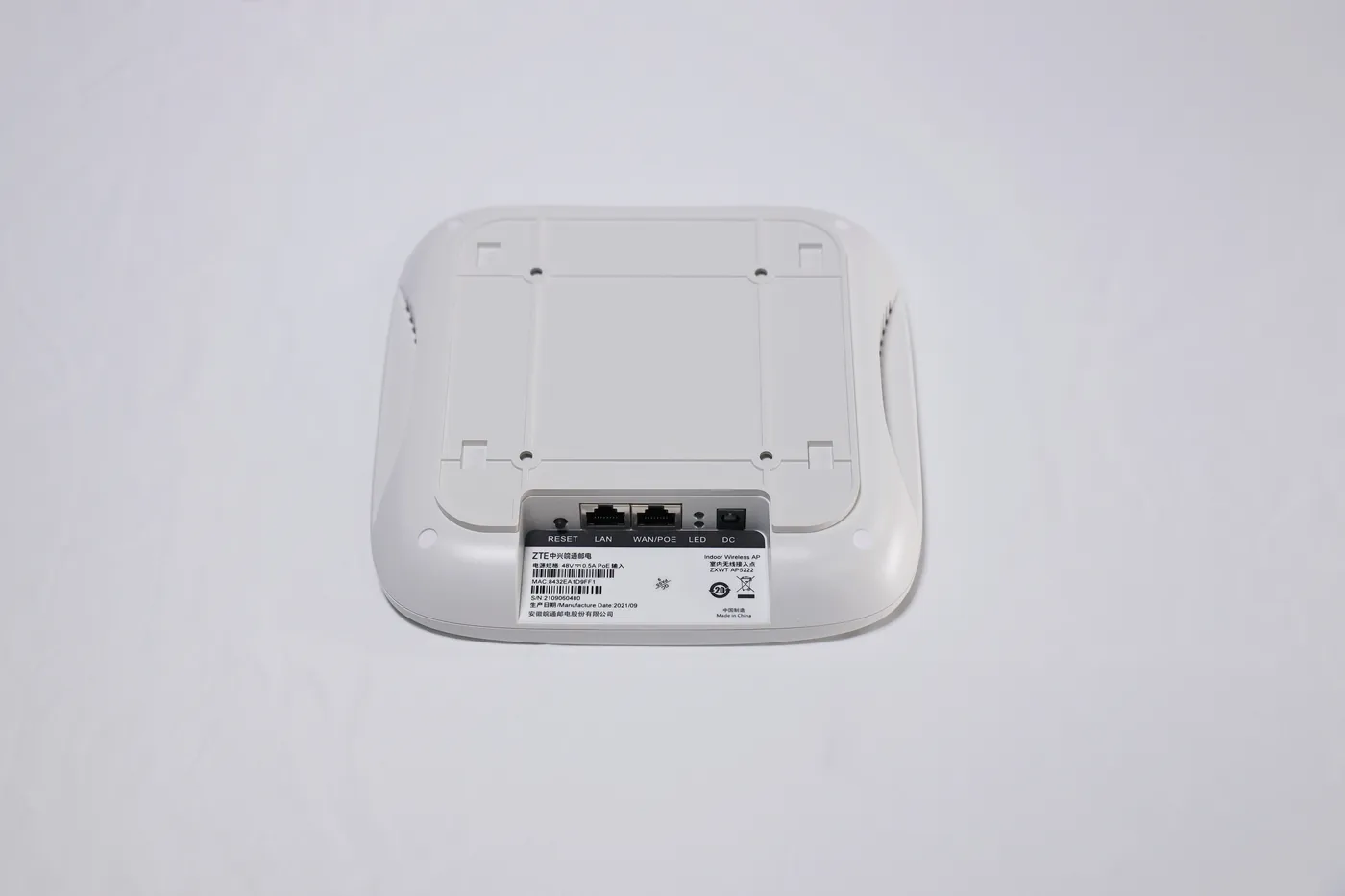
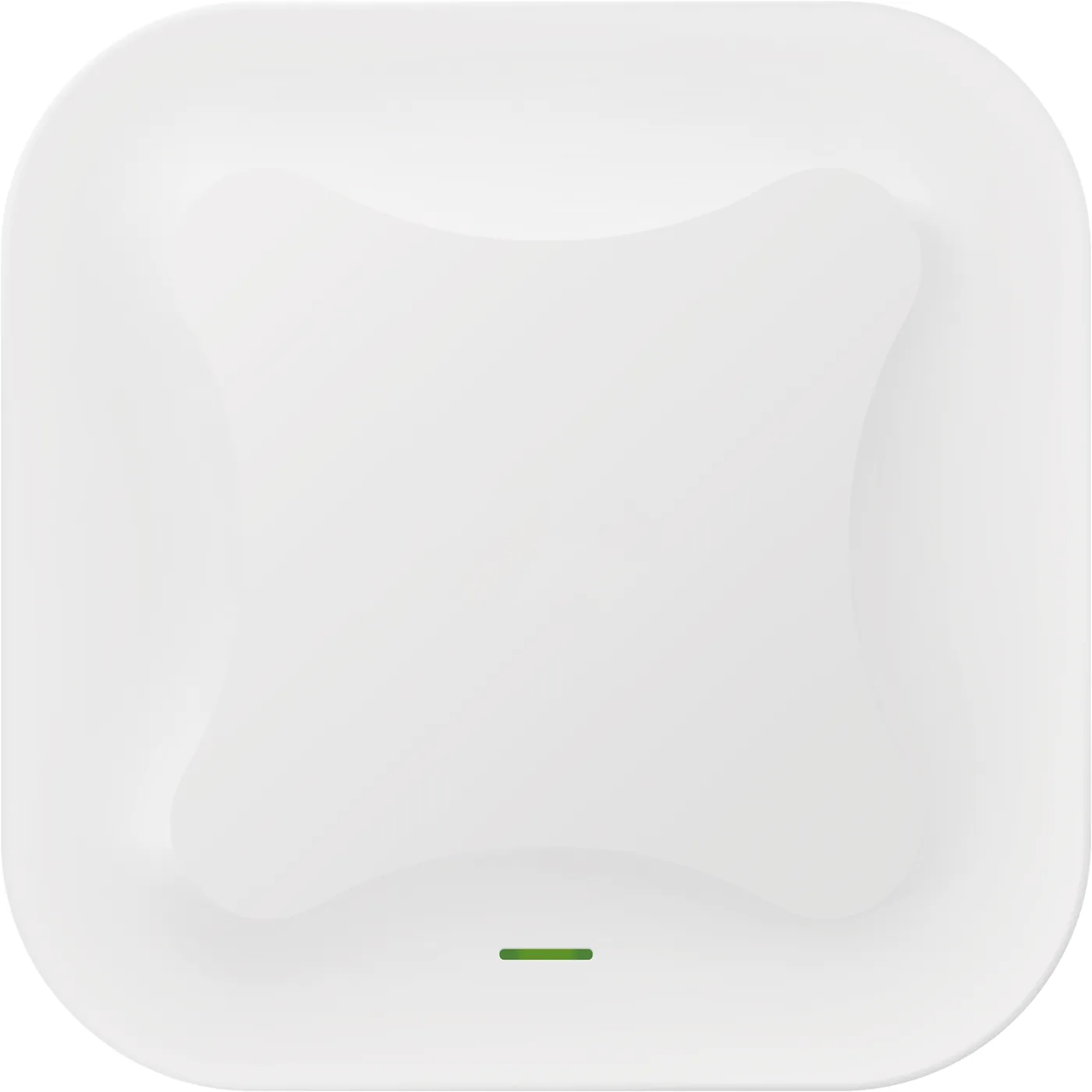
- Ceiling and wall — The five ceiling APs mount on the ceiling or a wall; place them in the open, centred on the area, spaced by their 15–20 m coverage radius. Indoor ceiling models are rated 0°C to 40°C (AP3022/4122/5222) or 0°C to 45°C (AP5824/5826).
- Outdoor poles — The AP6222 and AP6824 clamp to Φ30–50 mm poles; the AP6826 is pole-mounted too (pole size not listed). Seal the cable entry and use outdoor-rated, grounded cable runs; only the AP6824 sheet lists an IP67 rating.
- Cabling and PoE — Each AP takes data and power over one Ethernet cable from a PoE switch; keep copper runs within 100 m. For the AP6826 on a distant pole, use its 2.5G SFP port for the data link and power it locally.
- Channels and the AC — Let the AC run automatic channel selection, group APs by floor or building, and lower transmit power (4 or 6 levels) where APs are close together so neighbouring cells do not overlap.
Enterprise AP planning: which of the 10 models
All ten are PoE-powered, controller-manageable APs; they differ in mounting, Wi-Fi generation, rate and client load. The PoE row divides a 370 W switch budget (as on the S5150-SE and S5160-HE PoE+ models) by each AP's maximum draw; the real limit is whichever runs out first, PoE ports or budget.
| AP2122 | AP2824 | AP3022 | AP4122 | AP5222 | AP5824 | AP5826 | AP6222 | AP6824 | AP6826 | |
|---|---|---|---|---|---|---|---|---|---|---|
| Mounting / location | 86-box panel, indoor | 86-box panel, indoor | ceiling/wall, indoor | ceiling/wall, indoor | ceiling/wall, indoor | ceiling/wall, indoor | ceiling/wall, indoor | pole, outdoor | pole, outdoor, IP67 | pole, outdoor |
| Wi-Fi standard | Wi-Fi 5 Wave 2 | Wi-Fi 6 | Wi-Fi 4 (b/g/n) | Wi-Fi 5 | Wi-Fi 5 Wave 2 | Wi-Fi 6 | Wi-Fi 7 | Wi-Fi 5 Wave 2 | Wi-Fi 6 | Wi-Fi 6 |
| Radios / bands | 2 · 2.4 + 5 GHz | 2 · 2.4 + 5 GHz | 1 · 2.4 GHz | 2 · 2.4 + 5 GHz | 2 · 2.4 + 5 GHz | 2 · 2.4 + 5 GHz | 3 · 2.4 + 5 + 5 GHz | 2.4 + 5 GHz | 2.4 + 5 GHz | 3 · 2.4 + 5 + 5 GHz |
| Max wireless rate | 1167 Mbps | 1775 Mbps | 300 Mbps | 750 Mbps | 1167 Mbps | 2976 Mbps | 5011 Mbps | 1167 Mbps | 2976 Mbps | 4177 Mbps |
| Spatial streams | — | — | — | — | — | — | — | — | — | 4×4, 160 MHz |
| Ethernet ports | 2×GE | 2×GE | 2×FE | 2×FE | 3×GE | 1×GE | 1×2.5GE | 1×GE | 1×GE | 1×2.5GE + 1×2.5G SFP |
| Power input | PoE at/af | PoE at/af | PoE at/af | PoE at/af | PoE at/af | PoE at/af | PoE at/af or DC 12 V | PoE at/af | PoE at/af | PoE at/bt |
| Max power draw | < 13 W | < 13 W | < 10 W | < 10 W | < 12 W | < 12 W | < 24 W | < 12 W | < 18 W | ≤ 23 W |
| APs per 370 W PoE budget (arithmetic) | 28 | 28 | 37 | 37 | 30 | 30 | 15 | 30 | 20 | 16 |
| Coverage radius | 10 m | 12 m | 15 m | 15–20 m | 20 m | 20 m | 20 m | 80 m | 100 m | 80 m |
| Recommended clients | 25+ | 65+ | 15+ | 30 | 50+ | 120+ | ≤ 150 | 60+ | 130+ | ≤ 150 |
| Max SSIDs | 8 | 8 | 4 | 8 | 8 | 8 | 12 | 8 | 8 | 12 |
| Working mode | Fit | Fit | Fit | Fit | Fit | Fat/Fit | Fat/Fit | Fit | Fat/Fit | Fat/Fit |
- Pick the AP2824 for hotel rooms and dormitories: Wi-Fi 6 at 1775 Mbps in an 86 wall box, 65+ clients, under 13 W.
- Pick the AP5824 for most classrooms and offices: 120+ clients at under 12 W, so a 370 W budget feeds 30 of them; move to the AP5826 only where 150 clients and a 2.5GE uplink are needed.
- Pick the AP6824 for outdoor areas exposed to rain and dust: IP67, 100 m radius unobstructed, 130+ clients.
— = not listed in the product sheet. Values are from the specification tables on this page. The 370 W row is arithmetic: 370 W ÷ each AP's maximum draw, rounded down; it ignores cable loss and assumes every AP at full load.
Full Specifications — Model by Model
Series specifications with one column per model — technical values in English. The highlighted column follows your model selection above.
Wall-Plate Panel APs — 86-Box In-Wall Mounting (2 models)
| Item | AP2122 | AP2824 |
|---|---|---|
| Wi-Fi standard | 802.11a/b/g/n/ac Wave 2 | 802.11a/b/g/n/ac/ax (Wi-Fi 6) |
| Radios | Dual radio, dual band (2.4 GHz + 5 GHz) | |
| Max wireless access rate | 1167 Mbps | 1775 Mbps |
| Antenna | Built-in omnidirectional, 2 dBi | Built-in omnidirectional, 3 dBi |
| RF output power | 20 dBm (2.4 GHz) / 17 dBm (5 GHz) | 20 dBm (2.4 GHz) / 18 dBm (5 GHz) |
| Ethernet ports | 1×10/100/1000 Mbps RJ45 (front) + 1×10/100/1000 Mbps RJ45 (rear) | |
| Power input | PoE IEEE 802.3at/af | |
| Power consumption | < 13 W | |
| Coverage radius | 10 m | 12 m |
| Recommended clients | 25+ | 65+ |
| Mounting | 86-type wall box (in-wall panel) | |
| Dimensions | 86 × 86 × 35 mm | |
| Weight | < 200 g | < 180 g |
| Operating temperature | 0°C to 45°C | |
| Operating humidity | 10%–90% (non-condensing) | |
| Ingress protection | Not listed | |
| Working mode | Fit | |
Indoor Ceiling APs — Wi-Fi 4 / Wi-Fi 5 (3 models)
| Item | AP3022 | AP4122 | AP5222 |
|---|---|---|---|
| Wi-Fi standard | 802.11b/g/n | 802.11a/b/g/n/ac | 802.11a/b/g/n/ac Wave 2 |
| Radios | Single radio, 2.4 GHz | Dual radio, dual band (2.4 GHz + 5 GHz) | Dual radio, dual band (2.4 GHz + 5 GHz) |
| Max wireless access rate | 300 Mbps | 750 Mbps | 1167 Mbps |
| Antenna | Built-in omnidirectional, 3 dBi | ||
| RF output power | 23 dBm | 23 dBm (2.4 GHz) / 23 dBm (5 GHz) | 27 dBm (2.4 GHz) / 21 dBm (5 GHz) |
| Ethernet ports | 2×10/100 Mbps RJ45 | 2×10/100 Mbps RJ45 | 3×10/100/1000 Mbps RJ45 |
| Power input | PoE IEEE 802.3at/af | ||
| Power consumption | < 10 W | < 10 W | < 12 W |
| Coverage radius | 15 m | 15–20 m | 20 m |
| Recommended clients | 15+ | 30 | 50+ |
| Mounting | Ceiling / wall | ||
| Dimensions | 205 × 205 × 39 mm | 225 × 225 × 39 mm | 180 × 180 × 28 mm |
| Weight | < 500 g | ||
| Operating temperature | 0°C to 40°C | ||
| Operating humidity | 5%–90% (non-condensing) | ||
| Ingress protection | Not listed | ||
| Working mode | Fit | ||
High-Density Ceiling APs — Wi-Fi 6 / Wi-Fi 7 (2 models)
| Item | AP5824 | AP5826 |
|---|---|---|
| Wi-Fi standard | 802.11a/b/g/n/ac/ax (Wi-Fi 6) | IEEE 802.11a/b/g/n/ac/ax/be (Wi-Fi 7) |
| Radios | Dual radio, dual band (2.4 GHz + 5 GHz) | Tri radio, tri band (2.4 GHz + 5 GHz Radio1 + 5 GHz Radio2) |
| Max wireless access rate | 2976 Mbps | 5011 Mbps (688 Mbps 2.4G + 2882 Mbps 5G Radio1 + 1441 Mbps 5G Radio2) |
| Antenna | Built-in omnidirectional, 3 dBi | Built-in omnidirectional, 2 dBi (2.4G) / 4 dBi (5G Radio1) / 4 dBi (5G Radio2) |
| RF output power | 20 dBm (2.4 GHz) / 20 dBm (5 GHz) | 20 dBm (2.4G) / 21 dBm (5G Radio1) / 21 dBm (5G Radio2) |
| Ethernet ports | 1×10/100/1000 Mbps RJ45 | 1×10/100/1000/2500 Mbps RJ45 |
| Power input | PoE IEEE 802.3at/af | PoE IEEE 802.3at/af or DC 12 V / 2 A |
| Power consumption | < 12 W | < 24 W |
| Coverage radius | 20 m | 20 m (unobstructed) |
| Recommended clients | 120+ | ≤ 150 |
| Mounting | Ceiling / wall | |
| Dimensions | 158 × 158 × 38 mm | 170 × 170 × 37.5 mm |
| Weight | < 400 g | 450 g |
| Operating temperature | 0°C to 45°C | |
| Operating humidity | 5%–95% (non-condensing) | |
| Ingress protection | Not listed | |
| Working mode | Fat / Fit switchable | |
Outdoor Pole-Mount APs (3 models)
| Item | AP6222 | AP6824 | AP6826 |
|---|---|---|---|
| Wi-Fi standard | 802.11a/b/g/n/ac Wave 2 | IEEE 802.11a/b/g/n/ac/ax (Wi-Fi 6) | IEEE 802.11a/b/g/n/ac/ax (Wi-Fi 6) |
| Radios | Dual band (2.4 GHz + 5 GHz) | Dual band (2.4 GHz + 5 GHz) | Tri band (2.4 GHz + 5 GHz Radio1 + 5 GHz Radio2) |
| Max wireless access rate | 1167 Mbps | 2976 Mbps | 4177 Mbps (574 Mbps 2.4G + 2402 Mbps 5G Radio1 + 1201 Mbps 5G Radio2) |
| Spatial streams / channel width | Not listed | Not listed | 4×4 spatial streams, 160 MHz channel width |
| Antenna | Built-in omnidirectional, 5 dBi | Omnidirectional, 6 dBi | 13 dBi (2.4G) / 11 dBi (5G Radio1) / 11 dBi (5G Radio2) |
| RF output power | 24 dBm (2.4 GHz) / 26 dBm (5 GHz) | 27 dBm (2.4 GHz) / 27 dBm (5 GHz) | 20 dBm (2.4G) / 21 dBm (5G Radio1) / 21 dBm (5G Radio2) |
| Ethernet ports | 1×10/100/1000 Mbps RJ45 | 1×10/100/1000 Mbps | 1×10/100/1000/2500 Mbps RJ45 + 1×2500 Mbps SFP |
| Power input | PoE IEEE 802.3at/af | PoE IEEE 802.3at/af | PoE IEEE 802.3at/bt |
| Power consumption | < 12 W | < 18 W | ≤ 23 W |
| Coverage radius | 80 m | 100 m (unobstructed) | 80 m |
| Recommended clients | 60+ | 130+ | ≤ 150 |
| Mounting | Pole mount (Φ30–50 mm) | Pole mount (Φ30–50 mm) | Pole mount |
| Dimensions | Φ160 mm (excluding bracket) | 121 × 121 × 147 mm (excluding bracket) | 243 × 218 × 66 mm (excluding antennas and bracket) |
| Weight | < 1 kg | ≤ 0.7 kg (excluding bracket) | 1.58 kg (excluding antennas and bracket) |
| Operating temperature | -20°C to 70°C | -20°C to 55°C | -40°C to 65°C |
| Operating humidity | 5%–90% (non-condensing) | 5%–95% (non-condensing) | 5%–95% (non-condensing) |
| Ingress protection | Not listed | IP67 | Not listed |
| Working mode | Fit | Fat / Fit switchable | Fat / Fit switchable |
Software, Security & Management — All 10 Models
| Item | AP2122 | AP2824 | AP3022 | AP4122 | AP5222 | AP5824 | AP5826 | AP6222 | AP6824 | AP6826 |
|---|---|---|---|---|---|---|---|---|---|---|
| Max SSIDs | 8 | 8 | 4 | 8 | 8 | 8 | 12 (max 4 per radio) | 8 | 8 | 12 (max 4 per radio) |
| SSID features | SSID hiding / per-SSID encryption and VLAN / guest mode / per-SSID max client limit | |||||||||
| Signal strength levels | 6 levels, manual | 6 levels, manual | 4 levels, manual | 4 levels, manual | 4 levels, manual | 6 levels, manual | 6 levels, manual | 4 levels, manual | 6 levels, manual | 6 levels, manual |
| Channel selection | Manual / automatic | |||||||||
| AP group management | Supported | |||||||||
| Time sync | Synchronised with the AC | |||||||||
| Encryption | WPA-PSK / WPA2-PSK / WPA-PSK + WPA2-PSK | WPA-PSK / WPA2-PSK / WPA-PSK + WPA2-PSK / 802.1X | WPA-PSK / WPA2-PSK / WPA-PSK + WPA2-PSK | WPA-PSK / WPA2-PSK / WPA-PSK + WPA2-PSK | WPA-PSK / WPA2-PSK / WPA-PSK + WPA2-PSK | WPA-PSK / WPA2-PSK / WPA-PSK + WPA2-PSK / 802.1X | WPA-PSK / WPA2-PSK / WPA-PSK + WPA2-PSK / 802.1X | WPA-PSK / WPA2-PSK / WPA-PSK + WPA2-PSK | WPA-PSK / WPA2-PSK / WPA-PSK + WPA2-PSK | WPA-PSK / WPA2-PSK / WPA-PSK + WPA2-PSK |
| Authentication | Password, user and other modes | Dynamic password and other modes | Password, user and other modes | Password, user and other modes | Password, user and other modes | Dynamic password, Portal and other modes | Dynamic password, Portal and other modes | Password, user and other modes | Dynamic password, Portal and other modes | Dynamic password and other modes |
| Roaming | Not listed | Not listed | Not listed | Not listed | Not listed | Not listed | Not listed | Not listed | Not listed | 802.11k/v smart client roaming |
| Frame filtering / ACL | Whitelist and blacklist / ACL filtering | |||||||||
| Management | Web management / AC online monitoring / online upgrade / scheduled power-on / scheduled reboot / offline detection and alarm / connected-user statistics | |||||||||
Enterprise Wi-Fi Access Point FAQ — ZTE Wantong AP Series
Which AP should go in a hotel room, and which in a corridor or hall?
Do these APs need a wireless controller (AC)?
What PoE does each AP need from the switch?
Which outdoor AP fits my climate and site?
AP5824 or AP5826 — when is Wi-Fi 7 worth it?
Can I order under my own company name and use my own forwarder?
Can I keep staff, guests and devices on separate networks?
How many APs do I need for a building?
Will phones roam smoothly between APs?
Do I need a 2.5G switch port for the AP5826 and AP6826?
Which security options do the APs offer?
Can I order one unit first, and how does it reach my country?
How do I pay?
Related Products
Request a quote for this product
An engineer replies within 24 hours on working days with model check, price and lead time. No obligation, no newsletters.
Product: ZTE Wantong Enterprise APs · Wi-Fi 4 to Wi-Fi 7